
Automated Doorways: The Complete Guide to Luxury Home Door Automation

Updated: May 13

Modern luxury homes demand more than beautiful architecture—they require intelligent integration of technology that enhances daily living without compromising design vision. Automated doorways represent the convergence of architectural elegance and modern convenience, transforming every entrance in your home into a seamless, touchless experience.
From grand pivot entries to expansive multi-slide patio systems, automated doorways have evolved from commercial applications into an essential element of high-end residential design.
This comprehensive guide explores how automated doorways work, the technology that powers them, and why architects, custom home builders, and affluent homeowners throughout the Pacific Northwest and Mountain West are making automation a standard feature in luxury residential projects.
What Are Automated Doorways?
Automated doorways are any door system equipped with motorized operation that eliminates the need for manual opening and closing. These systems integrate electric motors, safety sensors, and control mechanisms to provide hands-free access throughout residential and commercial spaces. Unlike traditional manual doors that require physical effort, automatic door systems respond to various activation methods including motion sensors, voice commands, remote controls, push buttons, or smartphone applications.
The technology behind automated doorways has advanced significantly over the past decade. Modern automatic door openers now handle configurations ranging from lightweight interior pocket doors weighing 250 pounds to massive architectural statements exceeding 20,000 pounds. This capability expansion has moved automated doorways from commercial buildings into luxury residential applications where they enhance accessibility, convenience, and architectural impact.
The Evolution of Automatic Doors in Residential Design
Automatic doors first appeared in commercial environments where high traffic volumes demanded efficient entry and exit solutions. Retail locations, office buildings, and healthcare facilities adopted automatic sliding doors to improve accessibility and operational efficiency. The technology demonstrated clear value in these settings, proving reliable and safe for public use.
The transition to residential applications arrived as luxury homeowners sought the same convenience and accessibility in their private spaces. Early residential installations focused primarily on exterior doors—particularly sliding doors connecting interior living spaces to outdoor entertainment areas. These initial projects demonstrated that automatic door openers could integrate seamlessly with high-end architectural designs while providing genuine lifestyle improvements.
Today's luxury home market views automated doorways as standard rather than exceptional. Architects design with automation in mind from the project's inception, and custom home builders coordinate electrical and structural requirements during new construction. The industry has developed sophisticated solutions that address every doorway type, weight capacity, and aesthetic consideration.
Market Drivers for Residential Door Automation
Several interconnected trends have accelerated automated doorway adoption in luxury residential projects:
Smart home integration has created expectations that every building system should connect to centralized control platforms. Automated doorways integrate with Alexa, Google Home, Control4, Crestron, and other smart home ecosystems, allowing voice control and app-based operation throughout the home.
Accessibility consciousness has grown as homeowners plan for aging in place and multi-generational living arrangements. Automated doorways eliminate physical barriers, making homes more accessible for family members with mobility challenges while maintaining the luxury aesthetic.
Touchless technology adoption accelerated dramatically in recent years. The convenience of wave-to-open sensors and automatic operation has moved from novelty to necessity, particularly for high-traffic doorways where hands-free operation provides both hygiene benefits and genuine convenience.
Architectural glass trends toward massive panels and seamless indoor-outdoor transitions have created doorways too heavy for comfortable manual operation. Multi-slide patio systems with eight or more panels can weigh thousands of pounds, making automation a practical necessity rather than a luxury upgrade.
Types of Automated Doorway Systems for Luxury Homes
Luxury residential projects incorporate diverse door configurations, each requiring specific automation approaches. Understanding the available automated doorway types helps architects design optimal solutions and guides builders through proper implementation strategies.
Automated Sliding Doors: The Foundation of Residential Automation
Automatic sliding doors represent the most common residential automation application because they deliver maximum visual impact with straightforward installation requirements. These systems move panels horizontally along tracks, creating wide openings without requiring swing clearance space.
Single-panel automatic sliding doors suit standard patio access points where a single large glass panel provides the necessary opening width. These configurations typically weigh between 400 and 1,200 pounds depending on panel size and glass thickness. The automation process remains relatively simple, with the motor system mounted above or beside the frame and connected to the panel through a drive mechanism.
Multi-slide automatic sliding doors create dramatic indoor-outdoor transitions by stacking multiple panels to one or both sides of the opening. A typical configuration might include six to eight panels, each weighing 300 to 600 pounds. When automated, these systems can clear openings spanning 20 to 40 feet or more, transforming entire walls into access points. This comprehensive guide explores engineering requirements, scale capabilities, and material options for luxury multi-slide installations.
Bi-parting automatic sliding doors split the opening down the center, with panels sliding in opposite directions. This configuration works well for entry applications where centered access creates visual balance. Bi-parting systems can incorporate two panels (one per side) or multiple panels that stack on each side of the opening.
Pocket door automation serves interior applications where panels slide into wall cavities rather than stacking beside the opening. These automatic doors work particularly well for closets, pantries, and room dividers where maintaining open floor space matters. The installation requires proper wall framing to accommodate the pocket depth, but the result provides a completely hidden door when open.
Did you know? Automatic sliding door systems can incorporate corner configurations where panels travel along perpendicular tracks, turning 90 degrees to create seamless transitions between adjacent exterior walls.
Automated Pivot Doors: Grand Entrance Statements
Pivot doors rotate on central or offset axis points rather than swinging from side-mounted hinges. This configuration enables dramatic architectural statements with doors reaching 12 to 16 feet in height while maintaining smooth operation.
The automation of pivot doors requires careful weight distribution analysis and specialized motor systems that can handle the rotational forces involved. For deeper detail on pivot automation specifically, see our complete guide to motorized pivot door systems. Unlike sliding doors where panels move linearly, pivot doors present unique engineering challenges as they swing through an arc. The motor must provide sufficient torque to initiate movement while controlling speed throughout the rotation.
Offset pivot installations place the rotation point 6 to 12 inches from the door edge, creating a distinctive opening pattern where a small section of the door protrudes into the exterior space while the main panel swings inward. This configuration reduces the interior swing clearance requirement while adding visual interest to the entrance experience.
Modern automatic door openers designed for pivot applications incorporate adjustable speed controls that slow the door as it approaches the fully open or closed position, preventing damage and ensuring safety. Sensors detect obstructions in the door's path, immediately stopping movement if anything blocks the swing arc.
Automated Lift-and-Slide Doors: Premium Performance
Lift-and-slide door systems represent the premium tier of sliding door technology. These automatic doors incorporate a mechanism that lifts panels slightly off their lower track when opening, reducing friction and enabling effortless movement of extremely heavy glass assemblies. When closed, the panels lower onto compression seals, creating superior weather sealing compared to standard sliding doors.
The automation of lift-and-slide systems requires motors capable of handling both the lifting and sliding movements. The panels must raise uniformly to prevent binding, then travel smoothly along their tracks. When closing, the system reverses the process—sliding the panels into position, then lowering them onto the seals to create an airtight closure.
Weight capacity for lift-and-slide automatic doors often exceeds 3,000 pounds for multi-panel configurations. The door frames must possess structural integrity to support this weight while accommodating the mechanical lifting components. Professional installation ensures proper weight distribution and seal compression.
Pacific Northwest and Mountain West homes particularly benefit from lift-and-slide automation because the superior sealing characteristics help maintain indoor climate zones despite the region's variable weather conditions. Lucent's Pacific Northwest door materials guide provides excellent information on material selection for these climate zones.
For detailed technical information on automating these systems, Door Automation Systems offers a comprehensive guide to automating lift-and-slide doors that covers engineering requirements and installation considerations.
Specialized Automated Doorway Configurations
Beyond standard sliding, pivot, and lift-and-slide applications, luxury residential projects often incorporate specialized automated doorways that solve unique architectural challenges:
Corner automatic doors navigate 90-degree turns, connecting two perpendicular walls with continuous glass panels. The track system guides panels around the corner, creating seamless transitions between adjacent exterior spaces. These configurations require precise engineering to maintain smooth operation through the directional change.
Curved and radius automatic sliding doors follow architectural elements with non-linear geometries. The tracks curve to match the building design, and the panels travel along these curved paths. The motor systems must account for the changing forces as panels navigate the curves.
Telescoping automatic sliding doors stack panels in overlapping layers, reducing the required stacking space to approximately the width of a single panel regardless of how many panels the system incorporates. This configuration works well when wall space for panel stacking is limited.
Motor System Selection Based on Doorway Requirements
The motor systems powering automated doorways determine what configurations are possible and how reliably systems will operate over decades of use. Door Automation Systems offers four distinct motor options, each engineered for specific weight ranges and applications. Selecting the appropriate motor ensures safe operation, longevity, and optimal performance.
Understanding the characteristics of each automated doorway type helps match the right system to your specific application:
Door Type | Typical Weight Range | Motor System | Operation Method | Best Applications | Installation Complexity |
Single-Panel Sliding | 400-1,200 lbs | SIERRA to PEAK | Horizontal track movement | Standard patio access, single large glass panel openings | Moderate |
Multi-Slide (6-8 panels) | 2,000-4,000 lbs total | PEAK to EVEREST | Multiple panels stack to one or both sides | Dramatic indoor-outdoor transitions, 20-40+ foot openings, great rooms | High |
Lift-and-Slide | 300-800 lbs per panel, 3,000+ lbs total | PEAK to EVEREST | Panels lift then slide, compress seals when closed | Superior weather sealing, coastal and mountain homes, energy efficiency priority | High |
Pivot Entry | 2,500-4,000+ lbs | PEAK to EVEREST | Rotational movement on central/offset axis | Grand entrance statements, 12-16 foot heights, architectural focal points | High |
Bi-Parting Sliding | 800-2,400 lbs total | SIERRA to PEAK | Panels slide in opposite directions from center | Centered access points, visual balance, entry applications | Moderate-High |
Interior Pocket | 150-250 lbs | TAHOE to SIERRA | Panels slide into wall cavities | Closets, pantries, room dividers where open floor space matters | Moderate* |
Corner Configuration | Varies by panel count | PEAK to EVEREST | Panels travel along perpendicular tracks at 90° | Seamless transitions between adjacent exterior walls | Very High |
Motor selection depends on total system weight, not just door type. Always consult with automation specialists to ensure proper motor capacity for your specific configuration.
TAHOE Motor: Lightweight Interior Applications

The TAHOE motor handles automatic doors up to 250 pounds, making it ideal for interior applications where panel weights remain modest. This system suits pocket door automation in closets, pantries, and room dividers where panels typically weigh 150 to 225 pounds. The compact motor profile allows discreet installation in residential environments where visible hardware would detract from the design aesthetic.
Typical TAHOE motor applications include:
Interior pocket doors between living spaces
Closet automation for walk-in wardrobes
Lightweight glass panels in kitchen pass-through areas
Small single-panel sliding doors with minimal glass area
Cabinet and pantry automation
The electrical requirements remain minimal—a standard 110V outlet provides sufficient power. Installation complexity stays relatively low because the reduced weight doesn't demand extensive structural reinforcement. However, proper track installation and panel alignment remain critical for smooth operation.
SIERRA Motor: Standard Residential Doorways

The SIERRA motor accommodates automatic door systems up to 1,000 pounds, covering the majority of standard residential sliding and swing door applications. This capacity handles typical patio sliding doors with panels in the 400 to 800 pound range, as well as interior French doors and single swing entry doors constructed from wood or moderate-weight glass.
SIERRA motor applications include:
Standard patio sliding doors with single or dual panels
Interior French door automation
Single swing entry door automatic openers
Medium-weight glass panels in standard configurations
Retrofit automation for existing doors within weight limits
The SIERRA motor provides the capability needed for most residential automatic door projects without the expense of higher-capacity systems. For custom home builders working on projects with typical door specifications, the SIERRA motor delivers reliable performance at a practical price point.
PEAK Motor: Heavy-Duty Luxury Applications

The PEAK motor handles automatic doors up to 3,000 pounds, addressing the demanding requirements of luxury residential projects with heavy glass assemblies and multi-panel configurations. This capacity covers multi-slide patio systems with six to eight panels, heavy pivot entry doors, and large lift-and-slide configurations that define high-end custom homes.
PEAK motor applications include:
Multi-slide patio systems with four to eight panels
Heavy pivot entry doors
Large lift-and-slide automatic doors
Grand room dividers with substantial glass area
Most luxury residential doorway automation projects
The PEAK motor represents the workhorse of luxury residential automation, providing sufficient capacity for impressive architectural statements while maintaining reasonable installation complexity. The majority of high-end projects throughout the Pacific Northwest and Mountain West regions rely on PEAK motor systems because they balance capability with practical implementation.
Safety sensors integrated with PEAK motor systems ensure protection despite the substantial panel weights involved. Obstruction detection immediately halts movement if anything blocks the door's path, and adjustable closing force limits prevent injury or property damage.
EVEREST Motor: Unlimited Architectural Possibilities

The EVEREST motor handles automatic door systems exceeding 20,000 pounds, removing practical limitations on panel count, size, and weight. This exceptional capacity enables the "impossible" automated doorways that architects envision but rarely expect to implement. Massive architectural statements, unlimited panel configurations, and grand estate entrances all become achievable with EVEREST motor systems.
EVEREST motor applications include:
Multi-slide systems with ten or more heavy panels
Entire building walls that transform into automated openings
Massive pivot doors exceeding 3,000 pounds
Specialized architectural concepts requiring extreme weight capacity
Any automated doorway that exceeds conventional motor limits
The EVEREST motor system positions Door Automation Systems uniquely in the luxury residential market. While most automation companies limit their capabilities to doors under 2,000 or 3,000 pounds, the EVEREST motor delivers the engineering capacity to automate any doorway configuration an architect can design. This capability matters for luxury projects where architectural vision shouldn't face compromise due to technical limitations.
Smart Home Integration and Control Options

Modern automated doorways extend far beyond simple push-button operation. Integration with smart home ecosystems transforms automatic doors into intelligent building components that respond to voice commands, smartphone controls, and automated routines that align with daily living patterns.
The control options available for automated doorways have evolved to emphasize universal compatibility and platform flexibility. Door Automation Systems provides open-port architecture that works with any device or system that can send a signal, ensuring automatic door systems integrate seamlessly within existing or planned smart home infrastructures.
Smart Home Platform Integration
Complete home automation platforms provide the most comprehensive control for automated doorways throughout the home. Systems integrate with Control4, Lutron, Savant, Crestron, and other major platforms, enabling sophisticated automation routines and centralized control. Voice activation through these platforms—including Amazon Alexa and Google Home—responds to custom commands for natural, hands-free operation.
A homeowner might say "Alexa, open the patio doors" while preparing for outdoor entertaining, and the automatic sliding doors throughout the main living level operate simultaneously. Voice control proves particularly valuable for accessibility applications where residents with limited mobility gain independent access to previously challenging doorways.
Integration quality depends on proper system configuration. Door Automation Systems ensures reliable performance through open-port architecture and dry contact adapters that verify consistent response across all supported platforms.
Wall Switch Control
Physical wall controls provide reliable, intuitive operation for those who prefer traditional tactile interaction. The 12-in-1 digital wall switch provides customizable functions in a modern interface that complements contemporary interior design.
Wall controls integrate seamlessly with smart home systems, allowing homeowners to use physical switches alongside voice commands and app-based operation. This multi-modal approach ensures every household member can operate doors using their preferred method.
Custom Access Control Integration

The open-port architecture of Door Automation Systems accepts signals from virtually any access control device. Keycard readers, fingerprint scanners, retinal scanners, access code keypads, or any device capable of sending a signal can trigger automatic door operation.
For luxury homes with staff, guest houses, or multi-generational living arrangements, this flexibility enables granular permission management. Household staff might receive keycard access to service entries but not private family areas. Guest house residents can use biometric authentication for their automatic doors while main home access remains restricted with different credential requirements.
This universal compatibility means homeowners aren't locked into proprietary systems. Whether implementing a basic keypad entry or a comprehensive biometric security system, the door automation integrates with the chosen access control solution rather than dictating which systems can be used.
Smartphone App Control
App-based operation provides remote access and monitoring from anywhere. Homeowners can check door status, operate doors remotely, and receive notifications about door activity through smartphone apps. This remote capability offers peace of mind when traveling, allows coordination with housekeepers or contractors, and supports security monitoring.
The app interface provides intuitive controls that household members of all ages can master, and works in conjunction with all other control methods for complete flexibility.
Luxury Residential Applications Throughout the Home
Automated doorways enhance every area of luxury residences, from grand entrance statements to discrete interior convenience features. Understanding where automation delivers the greatest impact helps architects and builders design comprehensive solutions that transform the entire home experience.
Primary Living Spaces
Grand entry automatic doors create immediate impact as visitors approach the home. A massive pivot door that swings open automatically as guests arrive demonstrates both technological sophistication and architectural confidence. The automated entry extends beyond mere convenience—it establishes expectations for the home's integration of technology throughout.
Entry automatic doors typically utilize either PEAK or EVEREST motor systems depending on door weight and size. A 12-foot pivot door constructed from solid wood and decorative glass might weigh 2,500 pounds, requiring PEAK motor capacity. A 16-foot architectural statement in steel and glass could exceed 4,000 pounds, necessitating EVEREST motor capabilities.
Main living area connections to outdoor entertainment spaces represent the most popular residential automation application. Automatic sliding doors spanning 20 to 40 feet transform entire walls into openings, erasing boundaries between interior and exterior. These systems typically incorporate six to ten panels that stack to one or both sides when open.
The automation dramatically improves the outdoor entertainment experience. Rather than manually opening and closing multiple heavy panels as guests move between spaces, hosts simply press a button or issue a voice command, and the entire wall opens or closes in smooth, synchronized motion. This convenience matters during events when attention should focus on guests rather than door operation.
Kitchen access to outdoor dining patios benefits from automatic door installation when the configuration makes sense for the floor plan. A pocket door or bi-parting automatic sliding door between the kitchen and outdoor dining area enables hands-free transition while carrying food and beverages. Voice control proves particularly valuable in this application—"open the patio door" activates the system without requiring clean hands or free hands.
Primary suite connections to private terraces provide intimate outdoor spaces accessible through automatic sliding doors. These applications often involve smaller openings than main living areas, but the convenience and architectural elegance remain just as important. A single-panel automatic sliding door or bi-parting configuration creates seamless access to private outdoor spaces.
Accessibility and Aging-in-Place Design
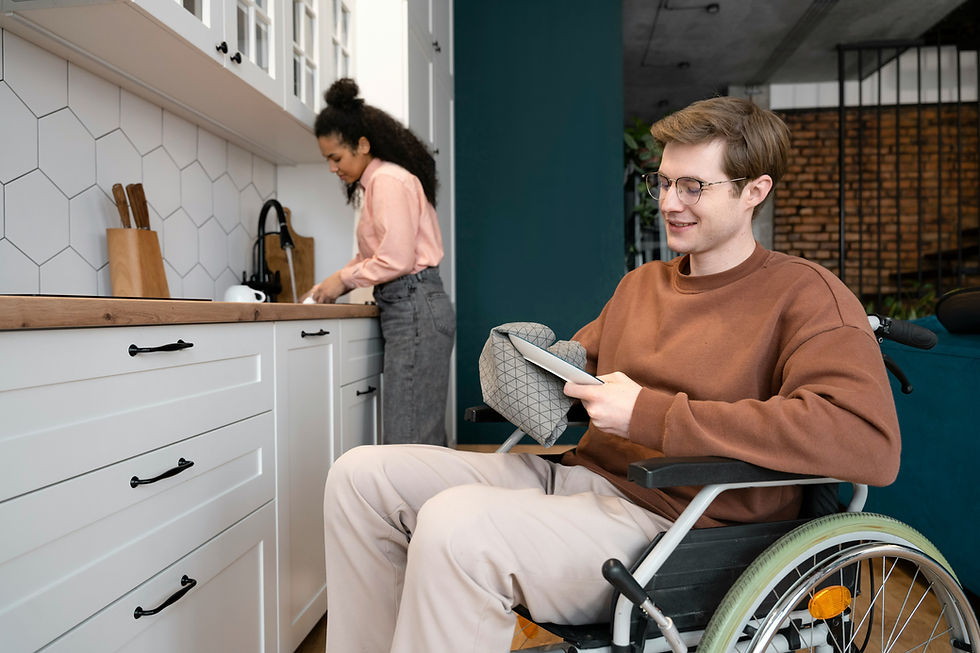
Wide doorway automation for wheelchair access addresses a critical need in accessibility design. Automatic door openers eliminate the physical challenges manual doors present for individuals using wheelchairs or walkers. The doors open completely without requiring any pushing, pulling, or holding, and remain open until the person passes through, then close automatically.
Building codes specify minimum doorway widths for wheelchair accessibility, typically 36 inches of clear opening. Many luxury homes exceed these minimums, incorporating wider automatic doors that provide more comfortable passage and accommodate different mobility device sizes. The automation ensures these wide, heavy doors operate effortlessly despite their increased weight.
Barrier-free transitions with flush thresholds combine with automatic door systems to create truly accessible entrances. Traditional door thresholds create tripping hazards and obstacles for wheelchair users. Flush threshold designs eliminate these barriers while maintaining weather sealing when doors close. The combination of flush thresholds and automatic operation removes both physical barriers and operational challenges.
Reduced physical effort benefits elderly residents even when mobility devices aren't required. The simple reality that automatic doors eliminate the need to push or pull heavy panels makes homes more comfortable for aging residents. This convenience extends to all household members, but the value increases significantly for those with reduced strength or limited mobility.
Future-proofing luxury homes through automation installation during new construction costs significantly less than retrofit projects completed years later. Architects and builders should discuss automation opportunities with clients during the design phase when electrical and structural requirements integrate seamlessly into plans. The modest upfront investment ensures homes accommodate changing needs without requiring disruptive renovations later.
Multi-Generational Living Solutions

Independent access for family members living in separate areas of the home maintains privacy while enabling connection. A guest suite or in-law apartment might incorporate automatic doors at the entrance, providing independent keyless access through the resident's smartphone or access code. This arrangement respects privacy while allowing family connection when desired.
Guest suite automation extends the hospitality experience by providing visitors with the same touchless convenience the primary residents enjoy. Voice control in guest areas enables visitors to operate automatic doors without requiring instruction on home systems. The technology operates intuitively—speaking or waving at sensors triggers door operation naturally.
Privacy through automated transitions helps manage boundaries in homes where multiple generations or extended family members share space. Automated doors between private and common areas can close automatically during certain hours or remain closed until residents choose to open them. The automatic operation maintains privacy without creating the stark separation that traditional closed doors represent.
Design Flexibility and Architectural Integration
The most successful automated doorway installations enhance architectural vision rather than constraining it. Door Automation Systems positions itself around the principle that "if you can design it, we can automate it"—meaning architects shouldn't compromise their design concepts due to automation limitations.
Custom Sizing and Configuration Freedom
Automated doorways accommodate virtually any opening dimension an architect specifies. Standard sizing conventions don't constrain automation possibilities. A 60-foot wall of glass panels can receive automatic sliding door operation just as readily as a standard 8-foot patio door, provided the appropriate motor system is selected for the total weight.
The engineering process begins with understanding the complete door assembly specifications—panel count, individual panel weights, material composition, frame type, and any specialty features. This information determines which motor system provides adequate capacity while accounting for safety margins that ensure reliable long-term performance.
Frame compatibility extends across materials including aluminum, wood, steel, and composite systems. The automation components adapt to the frame configuration rather than requiring the frame to conform to automation limitations. This flexibility ensures architects can specify door assemblies based on aesthetic and performance requirements without wondering whether automation is possible.
Material and Style Integration
Automated doorways work with any material combination luxury residential projects specify. Floor-to-ceiling glass panels in minimal aluminum frames, traditional wood doors with divided lites, steel and glass industrial designs, or contemporary wood-clad systems all accept automation when properly engineered.
Architectural style compatibility ensures automation enhances rather than detracts from design intent. Contemporary homes with clean lines and minimal hardware benefit from hidden motor installations and discrete sensors. Traditional homes might incorporate automated operation while maintaining historically appropriate hardware appearances. The technology serves the design rather than dominating it.
Hidden Motor Installation Options
Concealed automation preserves visual aesthetics in projects where visible mechanical components would compromise design intent. Motor systems can mount above ceilings, inside wall cavities, or below floors depending on the door configuration and installation conditions. The automation operates invisibly, with only the door movement revealing that motorized systems are present.
Top-mounted installations represent the most common approach for automatic sliding doors. The motor and track system mount above the door opening, concealed by architectural details, soffits, or ceiling treatments. This configuration keeps mechanical components out of sight while providing easy service access if maintenance becomes necessary.
Control box placement flexibility matters significantly in luxury residential installations where electrical equipment shouldn't occupy premium interior spaces. The control systems can locate up to 100 feet from the motor installation, allowing equipment to reside in mechanical rooms, basements, or garage areas while the automatic doors operate throughout the home.
Collaboration with Door Manufacturers
Door Automation Systems partners with premium door manufacturers throughout the Pacific Northwest and Mountain West regions to ensure seamless integration of automation with high-quality door assemblies. These collaborations matter because the door assembly and automation system must work as a unified whole rather than separate components forced together.
Lucent, specializing in luxury door systems, provides door assemblies that Door Automation Systems then automates for residential projects throughout the region. This partnership ensures clients receive both exceptional door quality and reliable automation engineering. The collaboration begins during the project planning phase, with both companies contributing expertise to optimize the complete installation.
Working with experienced door manufacturers and automation specialists from the project's beginning prevents the common mistakes that plague retrofit automation attempts. Door assemblies must accommodate the weight and structural loads automation components introduce. Frame configurations need proper reinforcement at motor mounting locations. Track systems require precise alignment specifications that standard door installations might not meet. These coordination details get resolved during the design phase when companies work collaboratively.
Installation Considerations for Automated Doorways

Professional installation separates successful automated doorway projects from problematic implementations. The combination of electrical systems, mechanical components, structural requirements, and safety considerations demands expertise beyond standard door installation capabilities.
New Construction Integration vs Retrofit Automation
New construction projects provide ideal conditions for automated doorway installation because electrical and structural requirements integrate into plans from the beginning. Architects coordinate with automation specialists during the design phase, identifying all doorways that will receive automatic operation. This early planning ensures proper electrical circuits, adequate structural support, and optimal control box locations become part of the construction documents.
The construction timeline accommodates automation installation at the appropriate sequence point—typically after framing and electrical rough-in completion but before interior finish work. This timing allows mounting of track systems, motors, and control equipment while access remains unobstructed. The installation doesn't disrupt other trades or damage completed finishes.
Retrofit automation transforms existing luxury homes by adding automatic door systems to manually operated doorways. The process requires careful assessment of existing conditions to determine what modifications are necessary. Some retrofits proceed smoothly because the existing door assemblies can accept automation with minimal changes. Other situations require more extensive modifications to accommodate motor systems and meet safety requirements.
Structural evaluation determines whether the existing frame and surrounding structure can support automation components and the forces automatic operation introduces. Heavy automatic doors create different load patterns than manual doors, potentially requiring reinforcement. The electrical assessment identifies whether adequate power circuits exist near the automation installation locations or whether new circuits must be installed.
The retrofit process typically takes longer than new construction integration because installers must work around existing finishes, furniture, and occupants. Access challenges increase when automation installation requires work above finished ceilings or inside completed walls. Despite these complications, retrofit automation delivers the same performance and convenience as new construction installations when completed properly.
Electrical Requirements

Standard 110V electrical outlets provide sufficient power for most residential automated doorway applications. This accessible power requirement simplifies installation compared to equipment demanding 220V or three-phase power. The electrical circuit should be dedicated to the automatic door system rather than shared with other equipment to prevent nuisance tripping and ensure reliable operation.
Circuit placement should consider the motor and control box locations, minimizing visible conduit runs in finished spaces. New construction projects coordinate electrical locations with automation equipment placement during rough-in. Retrofit installations might require new circuits or relocating equipment to utilize existing outlets conveniently located.
Some large automatic sliding door systems with multiple panels and extensive sensor arrays might require additional electrical capacity beyond a single 110V outlet. The automation specialist evaluates total power requirements during planning and specifies appropriate electrical provisions. These situations remain the exception rather than the norm for residential installations.
Structural Assessment and Reinforcement
Heavy automated doorways introduce substantial loads at motor mounting locations and along track systems. A multi-slide automatic door with eight panels weighing a total of 4,000 pounds concentrates that weight along the track span and at specific mounting points. The building structure must accommodate these loads without deflection that would bind door movement or compromise safety.
The structural evaluation examines the existing or planned framing above the doorway. Wood framing might require additional beams or reinforcing members. Steel structures need verification that beam capacities exceed the loads automation introduces. Concrete or masonry structures typically handle automation loads readily, but proper mounting methods must be determined.
Foundation conditions matter for large automatic sliding doors because the entire door weight ultimately transfers to the building foundation. The assessment confirms adequate foundation capacity and proper load paths from door to foundation. This evaluation becomes particularly important for retrofit projects where original construction didn't anticipate automated door loads.
Building Code Compliance and UL 325 Certification
UL 325 certification represents the safety standard for automated door systems throughout the United States. This certification verifies that automatic door openers incorporate proper safety features including obstruction detection, emergency stop functions, and appropriate force limits that prevent injury if someone contacts a moving door.
Working with UL 325 certified automation systems protects both homeowners and the professionals installing these systems. The certification demonstrates that independent testing has verified safety features function properly. Building inspectors expect UL 325 certification for permitted automatic door installations, and insurance considerations may require certified systems.
Local building codes specify requirements for automated doorways including electrical installation standards, structural provisions, and safety features. Some jurisdictions require building permits for automatic door installation, while others classify this work as equipment installation that doesn't require permits. The automation specialist should verify local requirements and coordinate permit applications when necessary.
Accessibility code compliance matters when automated doorways serve as part of an accessibility solution. The Americans with Disabilities Act establishes standards for accessible building elements including doorways. Automatic doors serving accessible routes must meet specified requirements for opening width, threshold height, opening speed, and other operational characteristics. Compliance ensures the automation genuinely improves accessibility rather than creating new barriers.
Timeline Coordination with Construction Schedule

Coordination between automation specialists and general contractors ensures installation proceeds at the optimal schedule point. The door frame installation typically precedes automation equipment mounting because proper frame placement and alignment must be verified before mechanical components attach. However, some preparation work might occur earlier—electrical circuits installed during rough-in, structural reinforcement completed during framing.
The automation installation timeline itself varies based on project complexity. A single automatic sliding door might require one or two days for complete installation and programming. A comprehensive home automation project with ten or more automated doorways across multiple configurations could require a week or more of on-site work spread across several visits as different project phases complete.
Final testing and programming occurs after installation completion but before the home's final completion. This timing allows any necessary adjustments without disrupting the homeowner's occupancy. The testing phase verifies all safety features function properly, smart home integration works correctly, and automatic doors operate smoothly across their full travel range.
Energy Efficiency and Indoor Climate Control

Proper Sealing and Thermal Performance
Automatic doors must seal properly when closed to deliver energy efficiency benefits. The door panels must compress against weather seals consistently across their entire perimeter. Lift-and-slide automatic doors excel in this regard because the lowering mechanism presses panels firmly against seals, creating effective barriers against air and moisture infiltration.
Standard automatic sliding doors use different sealing approaches, typically relying on compression seals along the panel edges and magnetic or brush seals at the bottom. Proper installation and adjustment ensure these seals contact properly when doors close. Periodic maintenance checks verify seal condition and compression over years of operation.
The glass specifications within automatic door panels significantly affect thermal performance. Low-emissivity coatings, argon or krypton gas fills, and proper spacer systems reduce heat transfer through the glass area. These features work identically in automated and manual doors—the automation doesn't compromise thermal performance when quality glass assemblies are specified.
Long-Term Energy Cost Savings
Energy savings from automated doorway operation accumulate over years of home operation. The reduced HVAC loss from promptly closing doors and intelligent opening control provides measurable benefit. While the exact savings depend on climate, door usage patterns, and home size, the cumulative effect reduces operating costs compared to manual doors that often remain open unnecessarily.
The energy efficiency benefits extend beyond direct HVAC savings. Automated doorways enable home designs with larger openings and more glass area because the automation ensures these large apertures close reliably. This design flexibility allows architects to create more light-filled spaces with better connections to outdoor environments, improving livability without sacrificing energy performance.
Safety Features and Standards for Automated Doorways
Safety considerations govern every aspect of automated doorway design, installation, and operation. The substantial weights involved in luxury automatic door systems demand comprehensive safety features and adherence to established standards.
UL 325 Certification Requirements
UL 325 provides the national safety standard for automatic door operators in residential and commercial applications. This Underwriters Laboratories standard establishes requirements for obstruction detection, emergency stop functions, manual operation capabilities, and force limits that prevent injury. Compliance requires independent testing verification that automatic door openers meet all specified criteria.
The certification addresses different door types and applications through separate categories within the standard. Automatic sliding doors fall under specific provisions that differ from automatic swing doors due to the distinct operational characteristics and safety concerns each configuration presents. The standard evolves periodically as technology advances and safety understanding improves.
Third-party testing labs evaluate automatic door systems against UL 325 requirements, subjecting equipment to standardized tests that verify safety features function properly under various conditions. The testing includes obstruction detection sensitivity, force measurements, emergency stop response times, and durability assessments. Only systems passing all tests receive UL 325 certification.
Building officials and insurance carriers expect UL 325 certified systems for permitted automatic door installations. The certification provides assurance that established safety protocols are met. Working with certified systems protects everyone involved in the project from liability concerns while ensuring genuine safety for home occupants.
Obstruction Detection and Immediate Stop
Automated doorways must detect obstructions immediately and stop movement before injury or property damage occurs. Modern automatic door systems employ multiple sensor types working together to provide comprehensive coverage along the entire door path.
Infrared sensors create invisible beams across the doorway opening that detect when something interrupts the beam during door operation. If a person, pet, or object crosses the sensor beam while the automatic door is closing, the system immediately stops movement and reverses direction. These sensors work effectively in various lighting conditions and weather environments.
Pressure sensors along door edges detect physical contact with objects. If a closing automatic door contacts something before sensors detect it, the pressure sensor triggers immediate stop and reversal. This backup protection system ensures safety even if primary obstruction detection fails to identify an obstacle.
Force monitoring systems measure the resistance automatic doors encounter during operation. If resistance exceeds preset thresholds—indicating the door has contacted something—the system stops immediately. This force limiting prevents the door from exerting excessive pressure that could cause injury or damage.
The combination of multiple sensor types provides layered safety protection. Primary sensors detect obstructions before contact occurs. Secondary sensors catch anything primary systems miss. Force monitoring serves as the final protection layer ensuring automatic doors never exert dangerous pressure.
Child Safety Considerations

Automated doorways in homes with young children require particular attention to safety features and operational settings. Slower door speeds reduce injury potential if children are near operating doors. Sensor sensitivity adjustments ensure reliable detection of small children who might not trigger sensors optimized for adult-sized people.
Force limits matter significantly for child safety because children's smaller body mass makes them more vulnerable to injury from door contact. The automatic door system should exert minimal force before obstruction detection triggers door stop and reversal. Professional installers test and adjust these force limits during the commissioning process.
Education about automated doorway safety helps children understand proper interaction with automatic door systems. Children should understand that automatic doors are not toys and that they should never attempt to race through closing doors or deliberately trigger sensors. This education supplements the technical safety features built into systems.
Emergency Stop and Manual Operation
Emergency stop buttons provide immediate door shutdown when necessary. These controls are typically located near automatic door installations where occupants can reach them quickly if a safety situation develops. Activating the emergency stop immediately halts all door movement and prevents further automatic operation until the system is deliberately reset.
Manual operation capability ensures automatic doors can still function if power fails or equipment malfunctions. The manual operation typically involves disengaging an automatic clutch that allows doors to move freely along their tracks without motor assistance. This capability provides reliable exit access during emergencies and allows normal door use during power outages.
Safety considerations extend to battery backup systems for critical automatic doors. Entry doors that serve as primary building egress routes might incorporate battery backup that maintains automatic operation during power failures. This feature ensures reliable access even when utility power is interrupted.
Choosing the Right Automation Partner for Your Project
Selecting an automation specialist significantly impacts project success. The expertise, experience, and capabilities the partner brings determine whether the installation achieves its potential or creates ongoing frustration.
Assessing Automation Opportunities Throughout Your Home
Comprehensive home assessment identifies every doorway that could benefit from automated operation. This evaluation extends beyond obvious candidates like main patio doors to consider interior pocket doors, entry doors, garage access, pantry doors, and any other transition points where automation would enhance convenience or accessibility.
The assessment examines each doorway's current configuration, weight, material composition, and usage patterns. This information determines what motor system provides appropriate capacity and what installation modifications might be necessary. Some doorways might require new door assemblies to accept automation, while others can be automated in their existing configuration.
Priority ranking helps homeowners and builders focus investment on doorways delivering maximum impact. Entry doors and primary living space connections to outdoor areas typically rank highest because they create immediate impressions and see frequent use. Interior convenience features like closet automation might rank lower in priority despite offering genuine utility.
The comprehensive approach ensures no opportunities are overlooked during the planning phase when integration is simplest and most cost-effective. Adding automation to additional doorways later remains possible, but retrofit projects cost more and create disruption that new construction integration avoids.
Determining Appropriate Motor Systems
Motor selection begins with accurate weight calculations for each automated doorway. The total panel weight determines minimum motor capacity requirements, but proper engineering includes safety margins ensuring motors aren't operating at maximum capacity during normal use. This margin provides reliability and longevity.
Door Automation Systems offers four motor options—TAHOE (250 lbs), SIERRA (1,000 lbs), PEAK (3,000 lbs), and EVEREST (20,000 lbs)—providing coverage for any residential doorway configuration. The motor selection process matches each doorway's requirements with the appropriate system, avoiding under-sizing that compromises safety or over-sizing that wastes resources.
Configuration complexity influences motor selection beyond simple weight capacity. A bi-parting automatic sliding door requires synchronized operation of two panels moving in opposite directions. Corner configurations need precise control managing directional changes. These operational demands might justify higher-capacity motor systems even when weight alone would permit smaller systems.
Experience with Luxury Residential Applications
Automation companies specializing in commercial applications often lack the expertise luxury residential projects demand. Commercial automatic door installations typically involve standard configurations in utilitarian environments where visible hardware and industrial aesthetics are acceptable. Luxury homes require discrete integration, custom solutions, and attention to aesthetic details that commercial installers might not understand.
The automation specialist should demonstrate experience with projects similar in scope and complexity to what the current project requires. Previous installations of multi-panel automatic sliding doors, heavy pivot automation, or comprehensive whole-home automation indicate capability and understanding relevant to luxury residential work.
Regional experience matters because climate conditions, building practices, and code requirements vary geographically. An automation company serving the Pacific Northwest and Mountain West regions understands the weather sealing requirements, temperature extremes, and precipitation patterns installations must accommodate. This regional knowledge prevents mistakes that out-of-area contractors might make.
Understanding UL 325 Certification Importance
All automatic door installations should utilize UL 325 certified equipment to ensure proper safety standards are met. The certification isn't optional or merely recommended—it represents the established safety standard for automated doorway systems. Automation companies that offer non-certified equipment or suggest certification isn't necessary should be avoided.
Questions to ask potential automation partners include: Are your motor systems UL 325 certified? Can you provide documentation of this certification? Do you follow UL 325 installation guidelines? How do you verify safety feature operation after installation? The answers reveal whether the company prioritizes safety appropriately.
Custom Engineering for Unique Architectural Visions
Luxury residential projects often incorporate unique elements that challenge standard automation approaches. A curved glass wall that transforms into an opening, a corner configuration with panels traveling along perpendicular tracks, or a massive pivot door weighing 5,000 pounds all require custom engineering beyond template solutions.
The automation specialist should demonstrate capability and enthusiasm for solving these unique challenges rather than suggesting design modifications that simplify their work but compromise architectural intent. The "if you can design it, we can automate it" philosophy separates true automation experts from companies limited to standard configurations.
Collaboration with architects and door manufacturers during the design phase identifies potential challenges early when solutions are simplest to implement. The automation specialist contributes technical expertise about motor capacities, structural requirements, and safety considerations while architects maintain design vision and builders manage construction coordination.
Door Automation Systems Consultation Process
The DAS consultation process begins with understanding complete project scope rather than immediately proposing equipment. The conversation explores how homeowners use their spaces, what doorways see the most traffic, where accessibility matters, and what smart home integration already exists or is planned. This comprehensive understanding ensures automation recommendations align with lifestyle and project goals.
Site visits for existing homes or plan reviews for new construction provide essential information about door configurations, weights, structural conditions, and electrical provisions. The DAS team evaluates each doorway that might receive automation, determining appropriate motor systems and identifying any installation considerations requiring attention.
Custom proposals outline recommended solutions for each automated doorway including specific motor systems, control options, smart home integration approaches, and installation scope. The proposals include detailed cost information ensuring project budgets account for complete installation rather than discovering hidden costs later.
Implementation proceeds through coordinated scheduling with general contractors and other trades, ensuring automation installation occurs at the optimal construction sequence point. The DAS team manages all aspects of installation from motor mounting through electrical connection, sensor installation, and final programming.
Post-installation support ensures automated doorways continue operating reliably over years of service. The homeowner receives instruction on system operation, smart home integration, and routine maintenance. Technical support remains available for questions or concerns that arise after project completion.
To discuss your specific automated doorway requirements, Door Automation Systems offers comprehensive consultations that assess opportunities throughout your home and recommend optimal solutions matching your project's unique needs.
Frequently Asked Questions About Automated Doorways
What types of doors can be automated in residential applications?
Virtually any door configuration can receive automated operation including sliding doors, pivot front doors, pocket doors, bi-fold systems, and lift-and-slide assemblies. The door weight and configuration determine which motor system provides appropriate capacity. Door Automation Systems offers motor options from 250 pounds to over 20,000 pounds, covering lightweight interior pocket doors through massive architectural statement entries. Custom engineering addresses unique configurations including corner installations, curved tracks, and specialty applications.
Can existing doors be automated or do I need new door assemblies?
Many existing doors can accept automation without replacement, particularly when they're relatively new and in good condition. The assessment examines door weight, frame condition, track system, and structural support to determine whether automation can integrate with existing assemblies. Older doors or those with inadequate structural capacity might require replacement or reinforcement. The automation specialist evaluates specific conditions and recommends the most cost-effective approach balancing retrofit possibilities against new installation benefits.
What safety features prevent automatic sliding doors from causing injury?
UL 325 certified automatic door systems incorporate multiple safety features working together to prevent injury. Infrared obstruction sensors detect people or objects in the door's path and immediately stop movement. Pressure sensors along door edges trigger instant stop if contact occurs. Force monitoring limits pressure automatic doors can exert, preventing excessive force application. Emergency stop buttons provide immediate shutdown capability. All these systems work simultaneously providing layered protection ensuring safe operation despite substantial door weights involved in luxury applications.
Do automatic door openers work during power outages?
Most automated doorways require electrical power for motorized operation, so automatic features won't function during power failures. However, all systems include manual operation capability allowing doors to move freely along tracks when the motor clutch disengages. This manual mode ensures reliable exit access during emergencies and allows normal door use until power restoration. Critical doorways can incorporate battery backup systems maintaining automatic operation during outages. This option typically applies to entry doors serving as primary building egress.
How does automation integrate with existing smart home systems?
Modern automated doorway systems integrate with all major smart home platforms including Amazon Alexa, Google Home, Control4, Crestron, and Lutron. The integration provides voice control, smartphone app operation, and inclusion in automated routines that coordinate multiple home systems. Setup complexity varies by platform but typically involves adding the door system to the smart home network then configuring preferred voice commands and automation rules. Professional installation includes complete integration configuration ensuring seamless operation within existing smart home infrastructure.
What maintenance do automated doorways require?
Automated doorways need minimal maintenance beyond routine track cleaning and periodic lubrication of moving components. Track systems should be cleared of debris that might interfere with smooth panel movement. Weather seals require periodic inspection ensuring proper compression when doors close. Annual professional service visits verify sensor operation, check safety features, adjust settings if necessary, and identify any components showing wear. Most residential automated doorway systems operate reliably for years with only basic maintenance attention.
Automated Doorways Represent the Future of Luxury Living
The modern luxury home demands more than beautiful spaces and quality construction—it requires intelligent integration of technology that enhances daily living without compromising architectural vision. Automated doorways deliver this integration, transforming every entrance from grand pivot entries to discrete interior pocket doors into touchless, effortless transitions that respond to your voice, your presence, or your smartphone.
Every doorway throughout your home represents an opportunity for automation. The grand entrance that swings open as guests arrive, creating immediate impressions. The expansive wall of glass that disappears at your command, connecting living spaces to outdoor entertainment areas. The master suite doors that provide private terrace access without requiring you to touch anything. The accessible entries that enable aging family members to move independently throughout spaces they love. These aren't futuristic concepts—they represent today's luxury residential standard throughout the Pacific Northwest and Mountain West regions.
Not all automation companies possess the expertise required for comprehensive luxury residential projects. The difference between acceptable and exceptional automated doorway installations lies in understanding that every configuration presents unique engineering requirements, that motor selection must account for both current door weight and future modification possibilities, and that "if you can design it, we can automate it" should be a genuine capability rather than marketing language.
The consultation process begins with understanding your complete project—every doorway that might benefit from automation, how you use your spaces, what accessibility considerations matter, and what architectural vision defines your home's character. This comprehensive approach ensures recommendations align with lifestyle rather than simply installing equipment. Contact Door Automation Systems to explore how automated doorways can transform your luxury home into the intelligent, accessible, convenient space modern living demands.
For additional insights into specific automated doorway applications, explore the comprehensive automated sliding doors guide that covers both commercial and residential installation considerations in depth.

